
Adult cats can make about 100 different sounds. It’s how I identify which cat of mine is doing something they’re not supposed to! But it’s also true that they rarely meow to other cats. It is a vocalization they developed almost exclusively to talk to and manipulate humans. And it works, darn it! Even better, the more you talk to your cats, the more they will talk to you.
Cats walk like camels and giraffes, moving both left legs first, then both right legs. Only a few animals share this specific “pacing” gait.
Even in their thick fur coats, cats do not sweat through their skin. When they overheat, they excrete sweat exclusively through their paw pads. Can you imagine petting a sweaty kitty? Ugh!
When a cat rubs its head or body against you, it isn’t just showing affection—it is actively using scent glands on its face and tail to claim you as its territory. And probably also its personal chef and bottle washer and treat finder and littler scooper and….
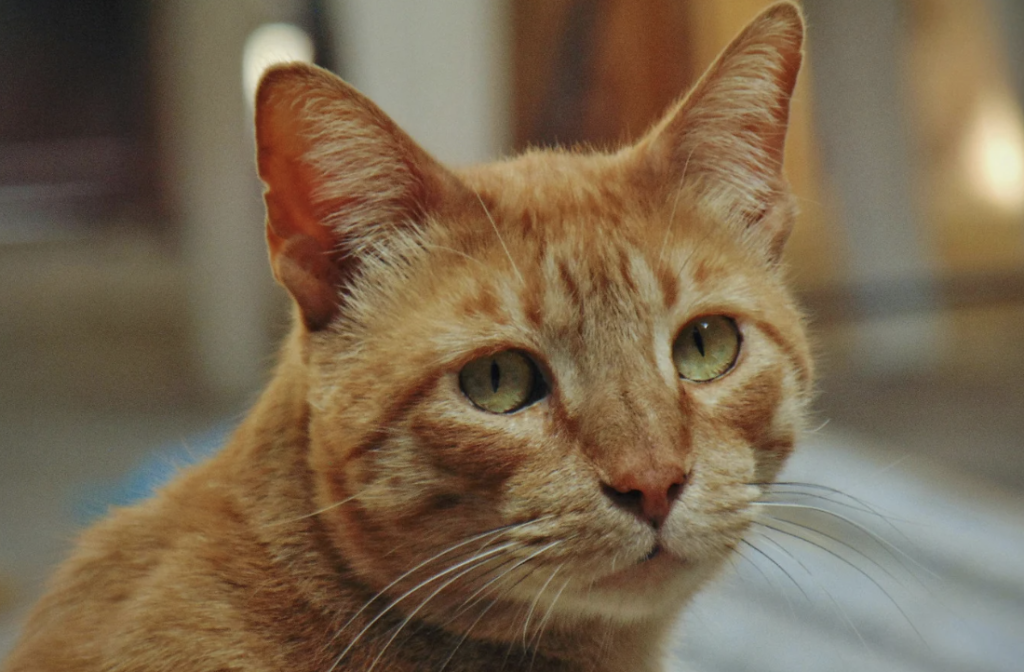
House cats share 95.6% of their genetic makeup with tigers. They even retain ancestral behaviors like scent marking, stalking, and pouncing. Like other orange cats they are crazy little rascals with a loving personality who love to mess with things by knocking things over and having mega zoomies.
Unlike almost all other mammals, cats cannot taste sweetness due to a genetic mutation that deletes the necessary taste receptors. If this is the rule, however, my cat Twilight Sparkle is the exception. She ants a bite of any cake or cookie I have.
A cat can hear pitches up to 64 kHz, whereas humans max out around 20 kHz. They achieve this using 32 individual muscles in each outer ear to swivel them 180 degrees independently. If that’s so, how come they can never seem to hear you when you yell “Get down from there!”
Did you ever wonder how cats can squeeze through any space large enough for their head? Cats have free-floating clavicle (collarbone) bones attached to their shoulders by muscle rather than joint. This gives them the flexibility to squish down right through that door opening you though would keep them out of the kitchen with the cooked turkey on the counter.
Biologically, a cat’s brain is somewhat similar to the human brain, and much closer than that of a dog. Humans and cats have identical emotional regions in their brains. Hence those perfectly cuddly moments in a fuzzy warm blanket together.
Kittens start to dream at about a week old. Who else loves watching the kitties as they are clearly chasing the yummiest mouse in the world in their dreams?
How do cats stack up against humans:
Feature | Cats | Humans |
Ear Muscles | 32 muscles per ear | 6 muscles per ear |
Hearing Range | Up to 64 kHz | Up to 20 kHz |
Top Speed | Approx. 30 mph | Approx. 27.8 mph (Usain Bolt)* |
Vertical Jump | Up to 5 times their height | Approx. 0.5 to 1 time their height |
*Clearly they are not using me or any other average human here…. |