
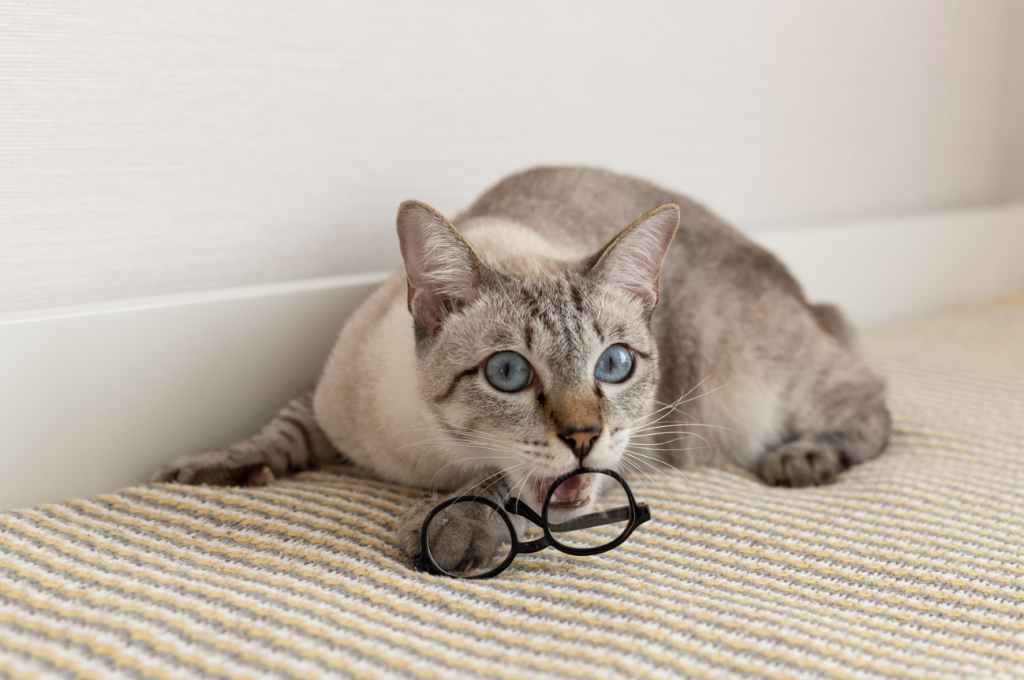
For many cat owners, the sight of a feline chewing on a phone charger, a favorite blanket, or a houseplant sparks immediate concern. While chewing is often associated with dogs, cats can be enthusiastic chewers as well. Sometimes the behavior is nothing more than curiosity. Other times, it can signal a medical issue, stress, boredom, or a potentially dangerous habit that could lead to an emergency trip to the veterinarian.
Understanding why cats chew, what items pose the greatest risks, and how to redirect the behavior safely can help owners protect both their pets and their homes.
Veterinarians say chewing behavior exists on a broad spectrum. Kittens often explore their environment with their mouths much like human babies do. Young cats may chew during teething, which generally occurs between three and six months of age. Adult cats, however, may chew for entirely different reasons.
Some cats simply enjoy the texture of certain materials. Wool blankets, cardboard, plastic bags, and even electrical cords can become irresistible targets. As many times as I try to convince my not-too-smart boy cat that eating plastic is in fact not making him
any smarter, it doesn’t seem to help.
In other cases, chewing may be linked to boredom. Indoor cats lacking mental stimulation may seek out objects to investigate and chew as a way to entertain themselves.
Stress and anxiety can also play a role. Changes in routine, new pets, moving to a different home, or even prolonged loneliness can trigger repetitive chewing behaviors. Some experts compare it to nervous habits seen in people, such as nail-biting or pen- chewing.
Medical issues should not be overlooked. Dental pain, gum disease, nutritional deficiencies, gastrointestinal disorders, and certain neurological conditions can sometimes contribute to unusual chewing habits. If a cat suddenly develops a strong urge to chew objects after never doing so before, a veterinary examination is recommended.
Among the most dangerous chewing targets are electrical cords. A cat biting into a live wire can suffer severe burns to the mouth, respiratory distress, or even fatal electrocution. Veterinary emergency clinics regularly treat cats injured by cord-chewing
accidents.
Houseplants present another major hazard. While some plants are harmless, others can be highly toxic. Lilies, for example, are especially dangerous to cats and can cause kidney failure. Other common plants such as pothos, philodendron, and dieffenbachia
may cause irritation and swelling of the mouth and digestive tract when chewed.
Hair ties, string, ribbon, sewing thread, and similar items create a different but equally serious threat. Cats are notorious for swallowing these objects after chewing them. Once ingested, they can become lodged in the digestive tract and create a life- threatening condition known as a linear foreign body. Surgery is often required to remove the obstruction.
Even seemingly harmless blanket chewing deserves attention. Some cats repeatedly suckle and chew on fabrics, a behavior often traced back to kittenhood. While many cats never progress beyond occasional blanket nibbling, others may ingest fibers, creating digestive complications over time.
The good news is that owners can often redirect chewing behavior safely. Providing appropriate alternatives is an important first step. Cat-safe chew toys, particularly those designed for dental health, can satisfy the desire to gnaw while reducing risks. Durable rubber toys, chew sticks made specifically for cats, and certain dental treats may provide a safer outlet.
Environmental enrichment can also make a significant difference. Puzzle feeders, interactive toys, climbing structures, scratching posts, and regular play sessions help reduce boredom-driven chewing. Cats that are mentally and physically engaged are less likely to seek entertainment from dangerous household objects.
Cat-proofing the home remains essential. Electrical cords should be covered or hidden whenever possible. Toxic plants should be removed entirely or placed where cats cannot access them. Hair ties, ribbons, rubber bands, and string should never be left within reach.
Owners should also pay attention to patterns. Is the cat chewing primarily at night? After a stressful event? When left alone? Identifying triggers can help uncover the underlying cause and guide solutions.
Veterinarians advise seeking professional help if chewing becomes excessive, if the cat begins swallowing non-food items, or if the behavior appears suddenly. Warning signs such as vomiting, loss of appetite, drooling, weight loss, abdominal pain, or difficulty passing stool warrant immediate medical attention.
While a cat nibbling on cardboard or a toy may seem harmless, chewing behavior should never be dismissed as merely a quirky feline habit. In some cases, it is simple curiosity. In others, it may be a warning sign of stress, illness, or a potentially dangerous situation. By understanding the reasons behind chewing and providing safe alternatives, owners can help keep their cats healthy, entertained, and out of harm’s way.
If this article helped you, please consider supporting Asheville Cat Weirdos so we can continue helping cats in need throughout Western North Carolina.