
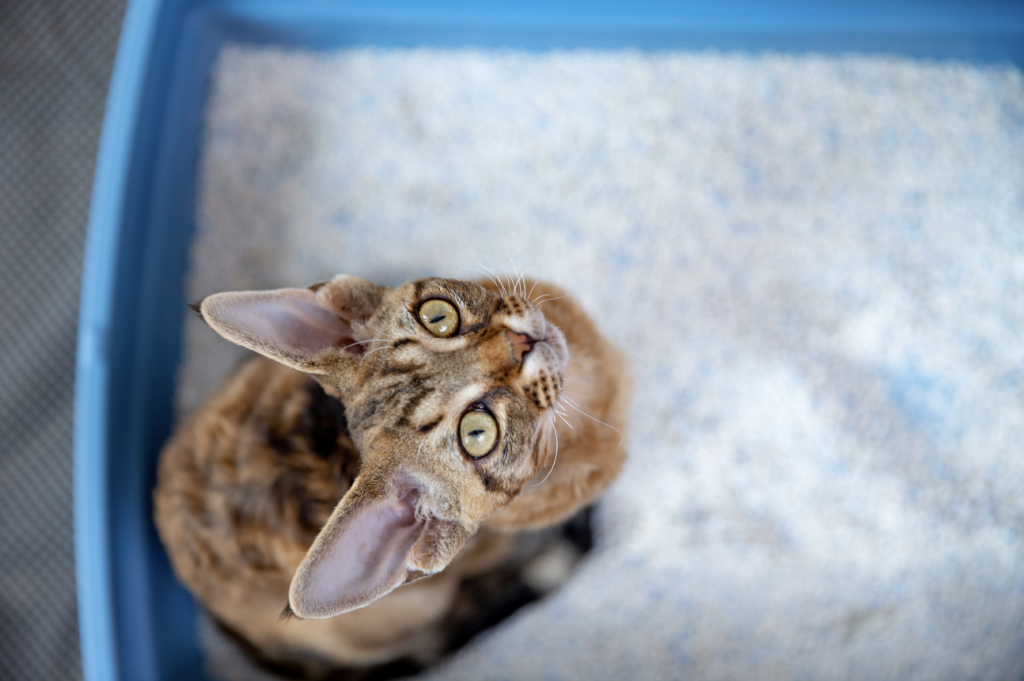
For many cat owners, choosing a litter box is easy. Choosing where to put it is often an afterthought. Unfortunately, that decision can have a major impact on your cat’s health, behavior, and willingness to use the box at all. Cats are naturally clean, private animals with keen senses of smell and hearing. A litter box placed in the wrong location can create stress, accidents around the house, or even long-term litter box avoidance.
The good news is that a few simple changes can transform your cat’s bathroom experience and make life much easier for everyone in the household.
One of the biggest mistakes owners make is hiding the litter box next to noisy appliances. Laundry rooms may seem convenient for people, but washing machines, dryers, and furnaces can suddenly roar to life without warning. Imagine sitting in a bathroom when an engine starts beside you. A frightened cat may begin associating the litter box with startling noises and choose a quieter corner of the house instead.
Another common mistake is placing the litter box beside your cat’s food and water dishes. In the wild, cats instinctively avoid eliminating near where they eat or drink
because it helps prevent contamination. That instinct remains strong even in domesticated cats. Keeping meals and bathroom areas well separated encourages healthy eating habits and reliable litter box use.
Busy hallways can also be poor choices. While cats enjoy watching household activity, they generally prefer privacy when using the litter box. Constant foot traffic, children
running through the house, or dogs passing by can make a cat feel vulnerable. A location that offers quiet without complete isolation is often the best compromise.
Tiny closets and enclosed cabinets may keep the litter box out of sight, but they can trap odors and reduce airflow. Cats have far more sensitive noses than humans. What seems acceptable to us may become overwhelmingly unpleasant to them. Poor ventilation can discourage use and make routine cleaning even more important.
Never place a litter box where a cat can become trapped. If another pet or even another cat can block the only exit, the litter box becomes a stressful place to visit. Multi-cat households especially benefit from boxes that allow more than one escape route so timid cats never feel cornered.
Basements often become the default location because they keep litter boxes out of view. However, if the basement is cold, damp, dark, or difficult for an older cat to reach, it may not be the ideal solution. Senior cats suffering from arthritis or mobility issues may avoid stairs altogether, leading to accidents elsewhere in the home.
Instead, look for calm, accessible areas that your cat can reach at any hour of the day. A quiet guest bathroom, a little-used office, or a peaceful corner of a family room often works surprisingly well. The goal is to provide privacy without making the litter box feel isolated. Cats generally appreciate knowing they have a safe place to go while still
being aware of what’s happening around them.
If you live in a multi-story home, consider placing at least one litter box on each level. Cats, especially kittens and seniors, should never have to travel long distances or climb
stairs every time nature calls. Convenience matters just as much to them as it does to people.
Homes with multiple cats require even more planning. Experts generally recommend having one litter box per cat, plus one extra. Equally important is spacing those boxes throughout the home rather than lining them up side by side. Several boxes in one location may look like multiple bathrooms to us, but many cats simply see them as one crowded restroom.
The surroundings also matter. Good lighting helps many cats feel secure, and a stable surface prevents the box from sliding or tipping while they’re inside. Keep the path to the
litter box clear of obstacles so your cat can reach it quickly without feeling rushed or blocked.
Finally, remember that your cat’s preferences may change over time. A kitten may happily use a box tucked away in a laundry room, while an aging cat may later need one that’s easier to access. If litter box problems suddenly develop, the location is one of the first things worth reconsidering before assuming it’s a behavioral issue.
Your cat may never thank you for choosing the perfect bathroom location, but you’ll likely notice the difference. A thoughtfully placed litter box creates a cleaner home, reduces stress, minimizes accidents, and helps your feline companion feel safe every single day. Sometimes the simplest change in location is the key to years of happy, trouble-free litter box habits.