
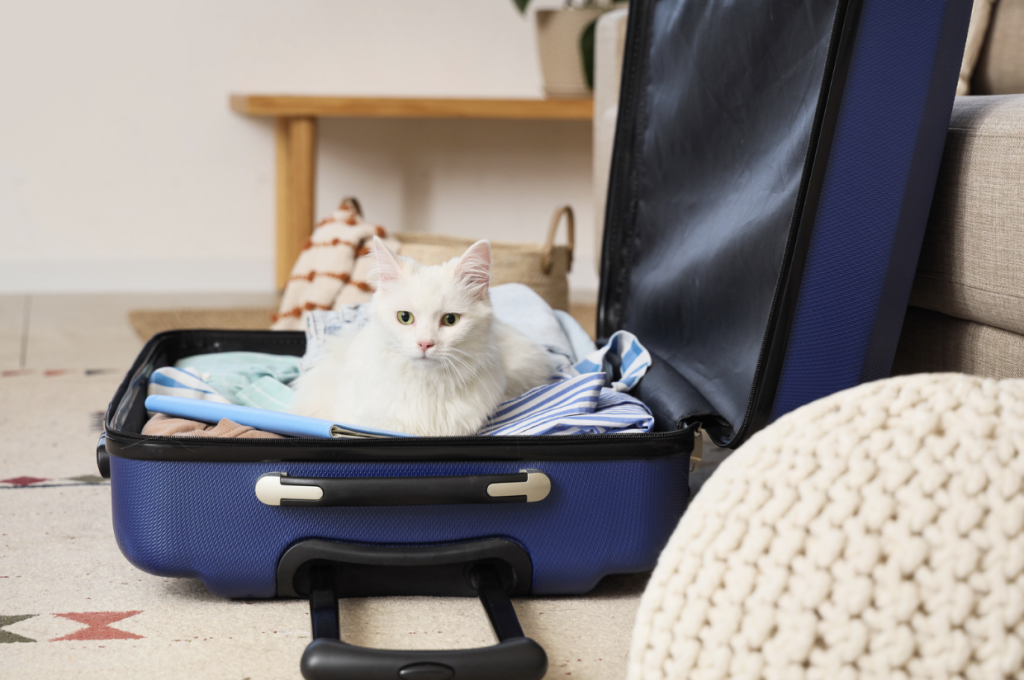
Getting ready to go out of town for vacation? Concerned about the expense of a babysitter for your kitties? No worries—cats are independent, right? Surely they can comfortably manage alone for days at a time. While cats are more self-sufficient than many other pets, experts warn that there are limits to how long they should be left
without human supervision. The answer depends on your cat’s age, health, personality, and specific needs.
The General Rule: No More Than 24 Hours
Most healthy adult cats can safely stay alone for up to 24 hours if they have plenty of fresh water, enough food, a clean litter box and a safe indoor environment. However, veterinarians generally advise against routinely leaving cats alone for an entire day. Even independent cats benefit from daily human interaction, and unexpected situations can quickly become emergencies.
Certain cats require much more frequent supervision.
Kittens (Under 6 months) should not be left alone for more than 2 to 4 hours at a time. They need frequent meals, regular socialization, supervision to prevent accidents, and monitoring for illness. Remember, that swing your baby took off the curtains could lead to a broken leg.
Senior Cats often need daily check-ins due to age-related conditions such as arthritis, kidney disease, vision loss and cognitive decline. They should ideally not be left alone for more than 12 hours.
Cats with diabetes, heart disease, thyroid disorders, or those requiring medication may need someone to check on them every few hours. Never leave a medically fragile cat unattended for extended periods without arranging care.
Can You Leave a Cat Alone for a Weekend?
Veterinarians strongly discourage leaving a cat completely alone for an entire weekend. Even with automatic feeders and multiple water bowls, problems can occur. Water dishes may tip over. Automatic feeders can malfunction. Cats may become trapped in closets or rooms. Sudden illnesses can develop. Power outages can affect temperature control.
If you’ll be gone for more than 24 hours, arrange for a trusted friend or family member, a professional pet sitter or even a boarding facility to care for the cats, visiting at least once every 24 hours, though twice daily is even better.
Some cats experience separation stress more than others.
Watch for behaviors like excessive meowing, destructive scratching, overgrooming, loss of appetite, hiding and litter box accidents. Social breeds, multi-cat households, and highly bonded cats may be especially sensitive to long absences.
What if you’ve got more than one cat? Having two cats can help reduce loneliness, but it does not replace human care. Even bonded cats still need daily supervision, fresh
food and water, litter box maintenance and health monitoring. Two cats should never be left unattended for multiple days simply because they have each other.
Before leaving your cat alone, create a safe environment following this Checklist:
✔️ Provide multiple water sources.
✔️ Leave extra food or use a reliable automatic feeder.
✔️ Clean the litter box.
✔️ Add an extra litter box if you’ll be away longer.
✔️ Remove hazardous objects.
✔️ Secure windows and doors.
✔️ Leave familiar bedding and toys.
✔️ Keep indoor temperatures comfortable.
✔️ Consider a pet camera for peace of mind.
The Bottom Line
Cats may be famously independent, but they are not solitary survivalists. A healthy adult cat can generally stay alone for up to 24 hours, but longer absences require someone to check in regularly. Kittens, senior cats, and cats with health conditions need much more frequent attention.
When in doubt, remember a simple rule:
If you would hesitate to leave a family member without a daily check-in, your cat deserves the same consideration. Their quiet nature often hides problems until they become serious, making regular human contact one of the best forms of preventive care.